Report12th May 2026
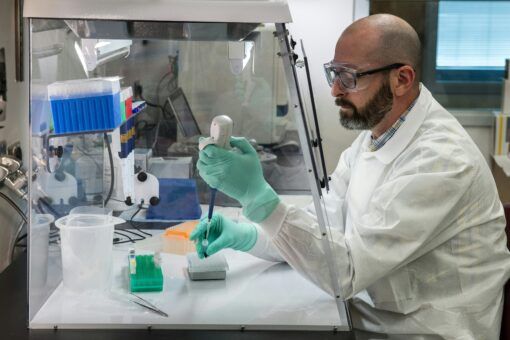
Neural organoids are small, three-dimensional tissue cultures developed in the laboratory to model human brain tissue and mimic aspects of brain function and development. The field is fast-developing with much potential to advance our understanding of the brain and neurological disease.
However, as models become more complex, their ability to replicate aspects of brain function is likely to increase – raising ethical questions around how to ensure their responsible development, use and regulation.
This report sets out the current state of the science and projected future developments relating to neural organoids and similar models, analysing the likely ethical and governance challenges arising from them. It identifies governance gaps, and makes nine recommendations for change.