News12th May 2026
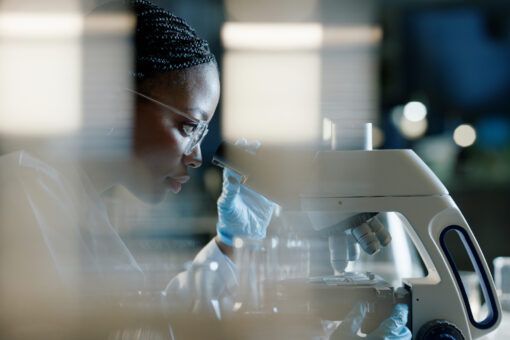
Neural organoid research is a fast-developing area of science that uses stem cells to make small, three-dimensional models able to mimic aspects of brain function and development.
Research using these organoids could advance our understanding of the brain and neurological disease and there is hope they could reduce reliance on animals in research. However, as models become more sophisticated, their potential to replicate aspects of brain function are likely to increase. This raises ethical questions, including the possibility of developing sentience and potential new risks to animals arising from unknown impacts of transplanting human neural organoids into them.
Our new report warns that significant governance gaps in neural organoid research mean there is no shared understanding of appropriate ethical safeguards or where red lines should lie. This leads to inconsistency, and results in leaving those involved in research unsupported and uncertain in their decision-making.
We recommend as an immediate step that an interdisciplinary alliance of stakeholders, including tissue banks, research funders and regulators, work together to develop best practice guidance.
Although our report concludes that neural organoids do not currently possess the biological complexity associated with sentience, we note that a key part of guidance should be to help researchers identify features of organoids that may warrant heightened ethical scrutiny.
We also recommend that Home Office guidance on the use of human material in animals to be updated – stating that it must account for the ability to transplant human neural organoids into non-human animals, and reflect changes in the wider ethical and regulatory landscape relating to animal sentience.
Further proposals include reviewing research consent processes to ensure tissue donors are appropriately informed about possible uses of their donated material, and developing a centralised system to log and monitor how neural organoid research is evolving.
To support these efforts and help shape future governance, we are calling for investment in public engagement to explore UK perspectives on neural organoid research. This should include identifying whether there are perceived “red lines” or limits that should not be crossed as the science develops.
Neural organoids hold enormous promise for understanding the brain and improving human health, but there is a clear need for coordinated best practice guidance, ongoing review and public engagement to ensure this field continues to develop responsibly.
Guidance proposed by the Working Group will help fill an immediate governance gap, giving greater clarity to individuals involved in this research and helping reassure the public that neural organoid research operates within agreed ethical parameters and safeguards.”
Professor Emily Jackson, Chair of NCOB’s Working Group on neural organoids and Professor of Law at London School of Economics and Political Science
The NCOB argue that missing oversight of neural organoids is the latest example where researchers working with emerging biotechnologies are being left in the dark. Together, these applications, which include neural organoids, in-vitro derived gametes and stem cell-based embryo models reflect an increasingly pressing problem: the UK’s regulatory system is unable to keep pace with scientific innovation. This is putting UK science at risk as it means that ethically sensitive research could be perceived to be progressing without agreed rules and robust safeguards.
Without these safeguards, public trust in science – which recent polling suggests is fragile – could be damaged. Equally, a sudden or significant scientific advance could trigger a disproportionate regulatory response from policymakers, halting valuable research.
A thriving innovation ecosystem needs governance that is anticipatory, not reactive. Neural organoids are the latest biotechnology pushing at ethical boundaries and where we have identified significant governance gaps. A pattern is emerging and something needs to change if we are to ensure the UK’s strong standing in science is not lost.
This report is a further illustration of a wider need for the UK to rethink how it regulates emerging biotechnologies. We urge Government to consider options for approaches that can better support pathways of valuable research, while preparing responsibly for future developments.”
Danielle Hamm, Director of the Nuffield Council on Bioethics
Read the full report – Neural organoids: Ethical and governance considerations.